
- posted: Jan. 09, 2026
Advances in technology have given law enforcement agencies sophisticated tools that can be used to identify and locate criminal suspects. While authorities use artificial intelligence, facial recognition technology (FRT) and other mechanisms to support their investigations, it is critical to ensure that individual rights are not violated. A case currently before the New Jersey Supreme Court concerns the right a defendant has to discover information regarding the FRT used by police to target him in a homicide investigation.
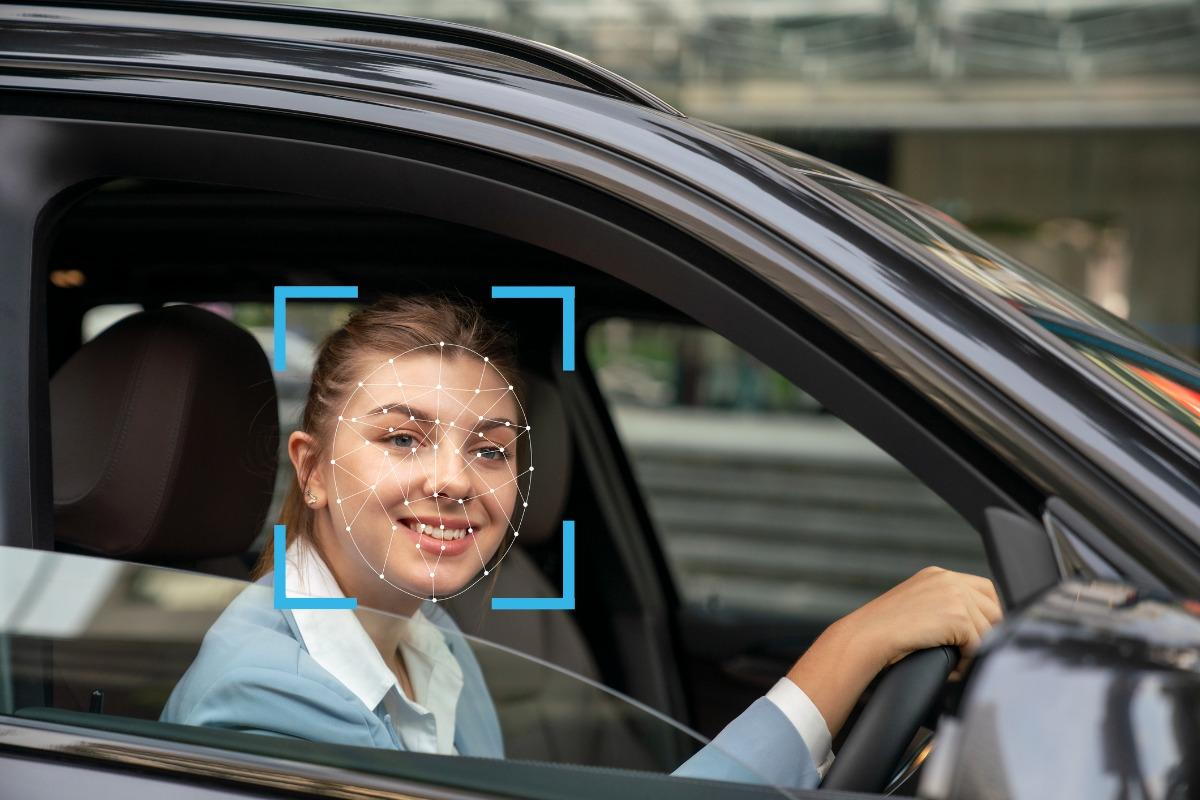
Facial recognition technology scans a photo and can compare a person pictured in the image with photos of faces in numerous databases. In State v. Miles, a social media photo was uploaded to the New York New Jersey High Intensity Drug Trafficking Area (HIDTA) system, and algorithms were used in an attempt to pinpoint the pictured individual. Subsequently, the result indicated that the person was Tybear Miles.
After being charged with murder based in part on the matching algorithm, Miles requested discovery about the specific tools used to identify him, and the error rates associated with the applicable technology. National testing has shown that error rates can vary by algorithm and certain demographic groups might face an increased risk of a mistake.
A previous Appellate Division Case, State v. Arteaga, held that a defendant was entitled to discovery of the FRT used in his case based on New Jersey Court Rule 3:13-3, the Brady decision of the U.S. Supreme Court, and other precedential cases. Following Arteaga, the trial court granted discovery to Miles, and the Appellate Division affirmed. The State appealed, and the New Jersey Supreme Court will now address the issue for the first time.
The outcome of the Miles case could have a significant effect on criminal defense advocacy in New Jersey. By affirming the right to discovery of FRT evidence, the state Supreme Court would give defendants a fair chance to evaluate reliability, bias and the risk of suggestiveness in the tools used by police. Should discovery of this type be permitted, there might need to be detailed standards about the types of FRT information that are considered material. Concerns might also exist about overbroad requests and the exposure of source code or a vendor’s proprietary information.
At The Law Offices of Eric B. Morrell in New Brunswick, I focus exclusively on defending the rights of accused individuals and am highly attuned to potential violations associated with FRT and other newly developed investigatory tools. If you have been charged with a crime in New Jersey, please call 908-768-3837 or contact me online for a free consultation.
- posted: Jan. 09, 2026
Advances in technology have given law enforcement agencies sophisticated tools that can be used to identify and locate criminal suspects. While authorities use artificial intelligence, facial recognition technology (FRT) and other mechanisms to support their investigations, it is critical to ensure that individual rights are not violated. A case currently before the New Jersey Supreme Court concerns the right a defendant has to discover information regarding the FRT used by police to target him in a homicide investigation.
Facial recognition technology scans a photo and can compare a person pictured in the image with photos of faces in numerous databases. In State v. Miles, a social media photo was uploaded to the New York New Jersey High Intensity Drug Trafficking Area (HIDTA) system, and algorithms were used in an attempt to pinpoint the pictured individual. Subsequently, the result indicated that the person was Tybear Miles.
After being charged with murder based in part on the matching algorithm, Miles requested discovery about the specific tools used to identify him, and the error rates associated with the applicable technology. National testing has shown that error rates can vary by algorithm and certain demographic groups might face an increased risk of a mistake.
A previous Appellate Division Case, State v. Arteaga, held that a defendant was entitled to discovery of the FRT used in his case based on New Jersey Court Rule 3:13-3, the Brady decision of the U.S. Supreme Court, and other precedential cases. Following Arteaga, the trial court granted discovery to Miles, and the Appellate Division affirmed. The State appealed, and the New Jersey Supreme Court will now address the issue for the first time.
The outcome of the Miles case could have a significant effect on criminal defense advocacy in New Jersey. By affirming the right to discovery of FRT evidence, the state Supreme Court would give defendants a fair chance to evaluate reliability, bias and the risk of suggestiveness in the tools used by police. Should discovery of this type be permitted, there might need to be detailed standards about the types of FRT information that are considered material. Concerns might also exist about overbroad requests and the exposure of source code or a vendor’s proprietary information.
At The Law Offices of Eric B. Morrell in New Brunswick, I focus exclusively on defending the rights of accused individuals and am highly attuned to potential violations associated with FRT and other newly developed investigatory tools. If you have been charged with a crime in New Jersey, please call 908-768-3837 or contact me online for a free consultation.

